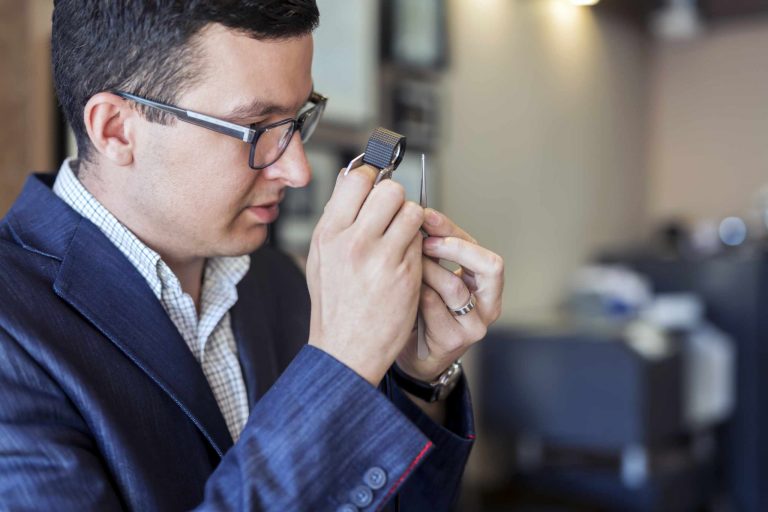
An Observation-First Approach to Optics
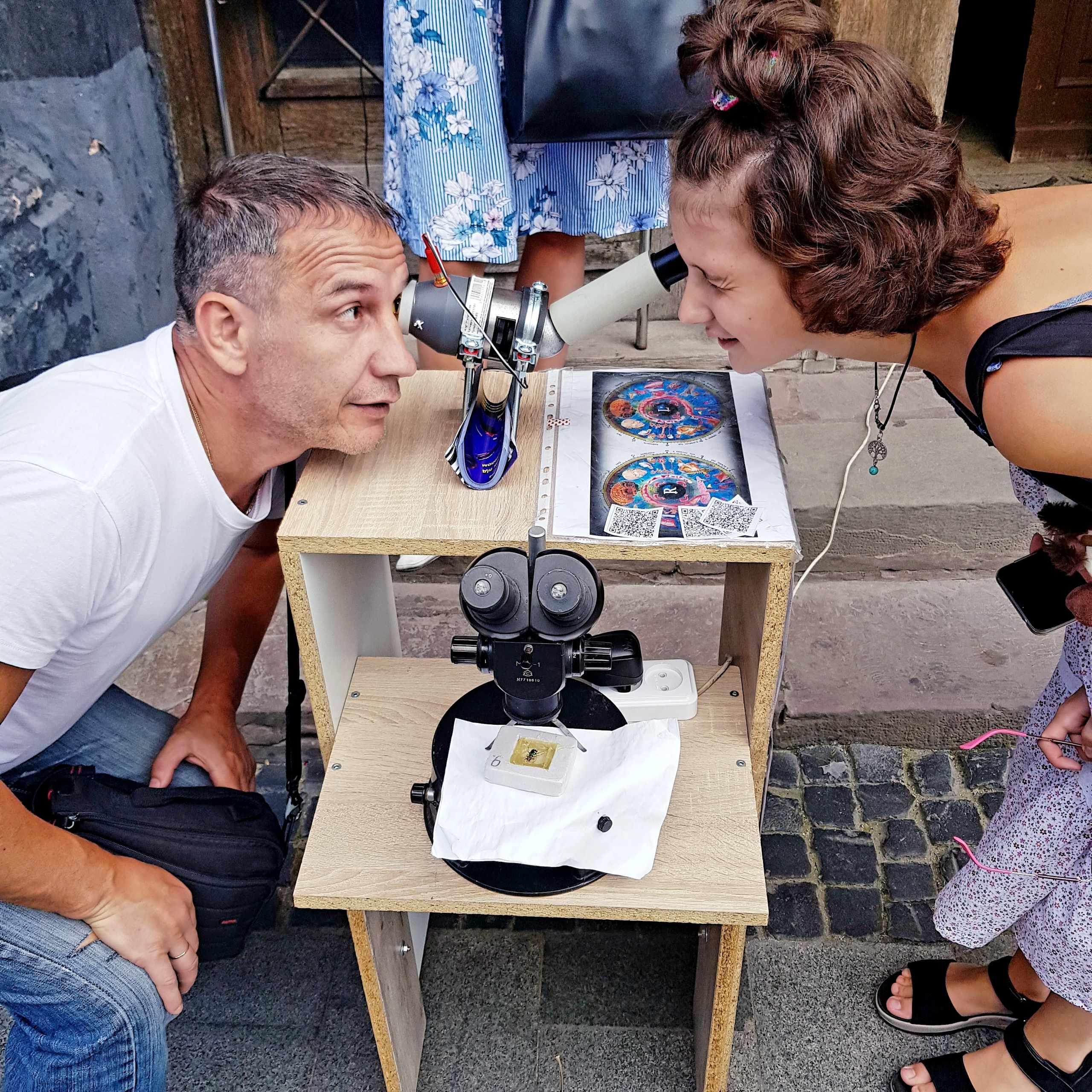
Observe Before Adjusting
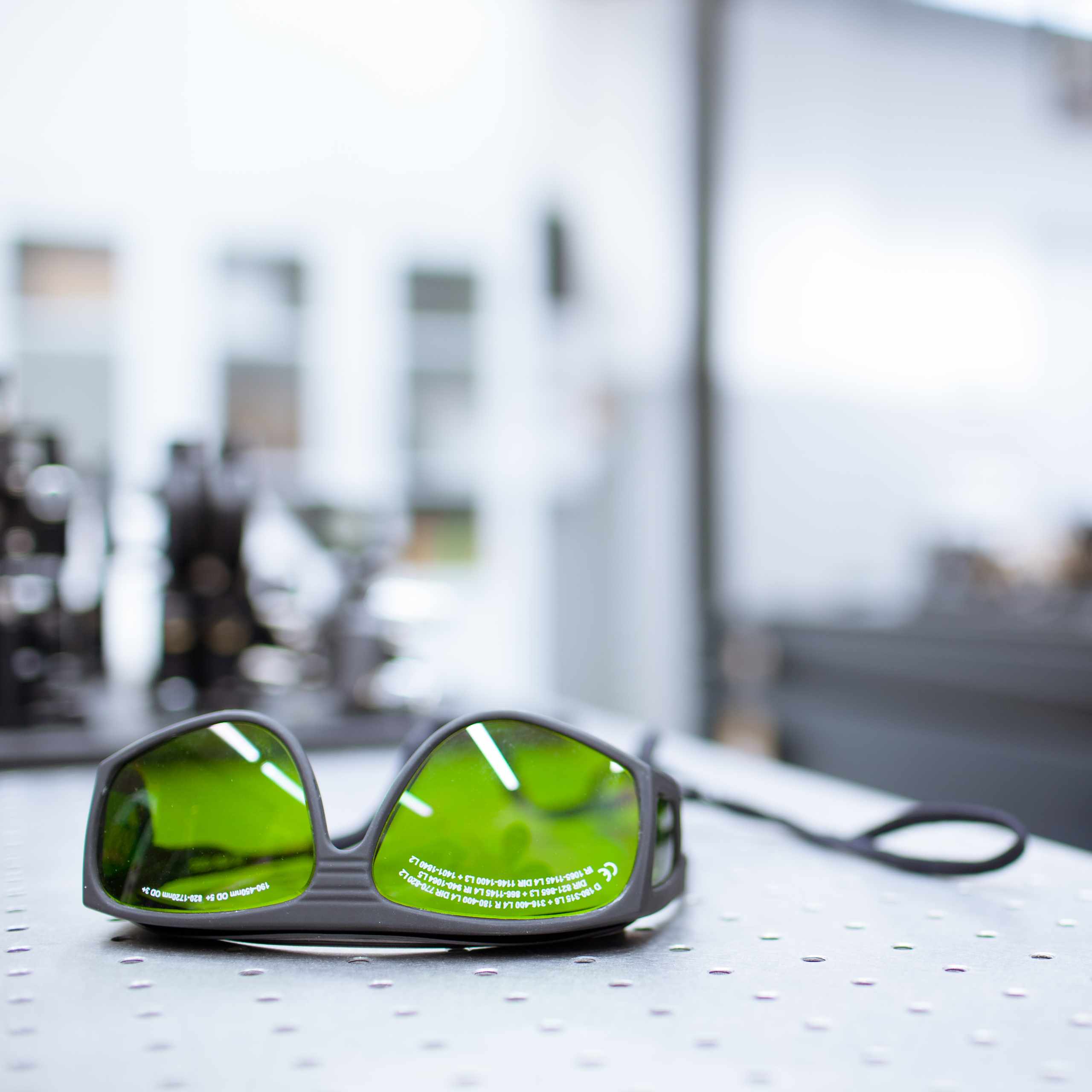
Change One Variable
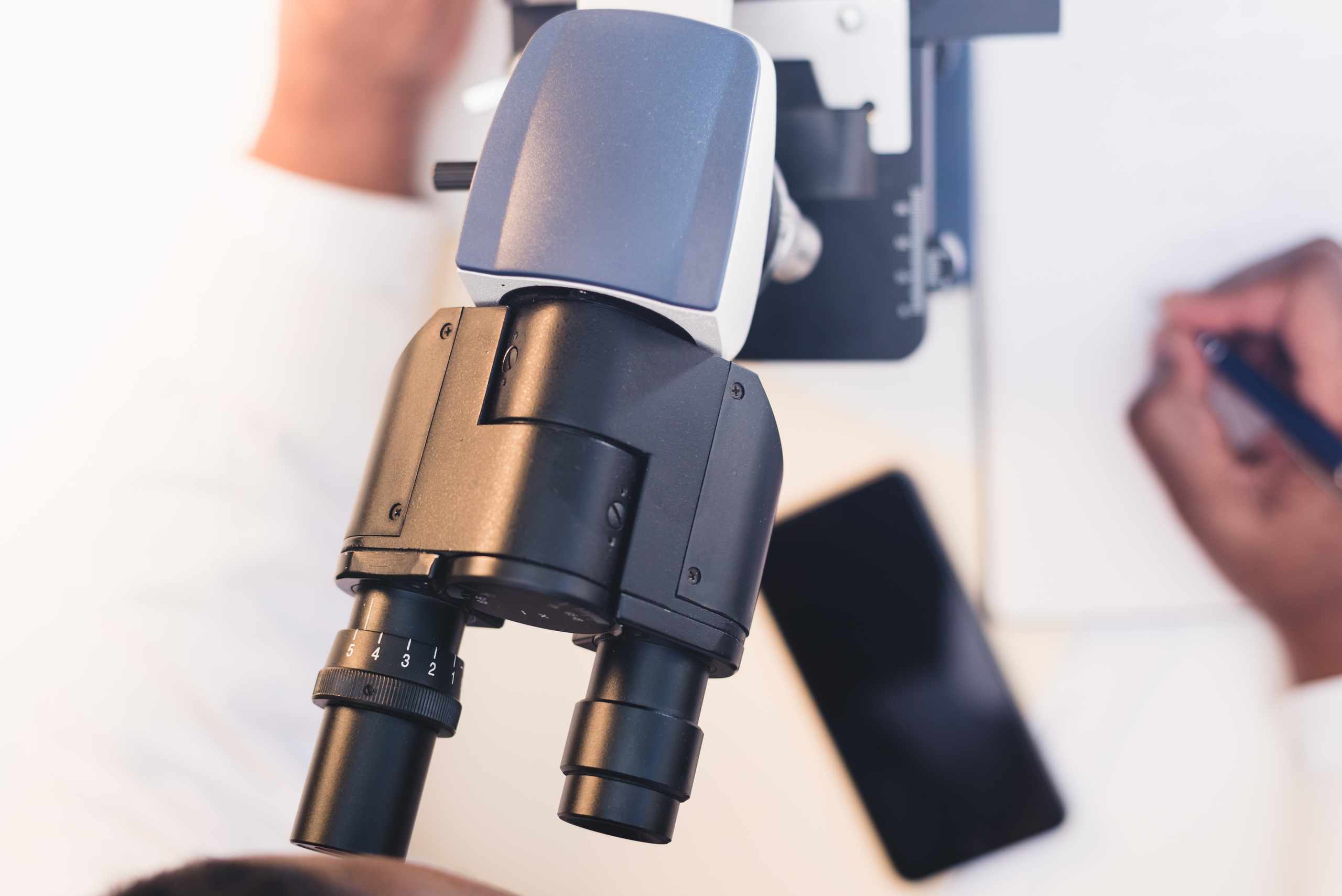
Record What Changes
How Beginner Practice Is Structured
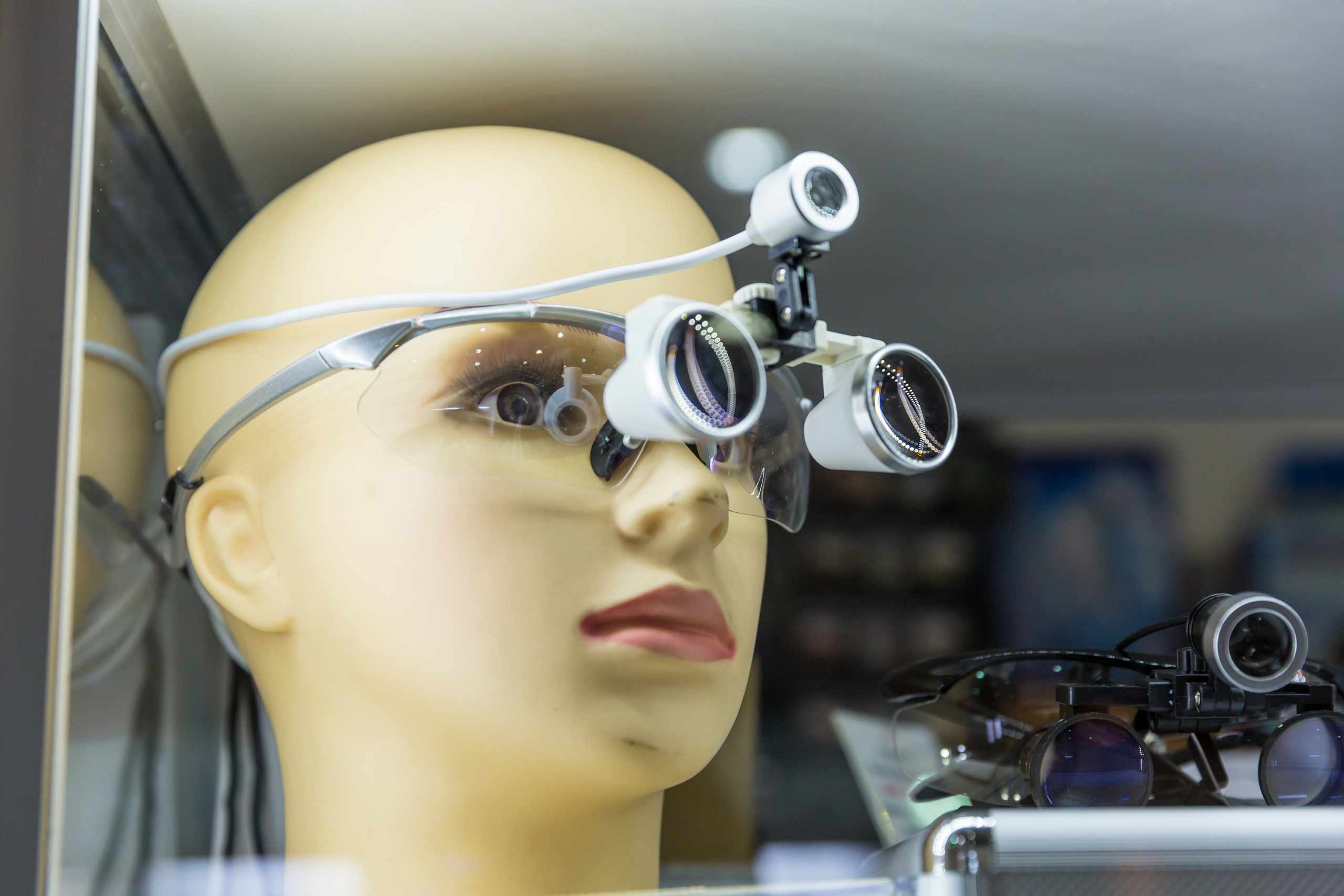
The course connects basic ray diagrams with visible results from lenses, mirrors, prisms, and optical instruments. Practice focuses on careful alignment, slow adjustments, clear observation, and safe handling rather than advanced formulas.
A typical setup begins with a high-contrast object, one optical component, and a stable screen or viewing position. Learners check the optical axis first, then move one part at a time while watching image size, orientation, brightness, and focus.
Writing down object distance, lens position, and image distance makes each result easier to explain and repeat. It also prevents random adjustments from hiding which change improved sharpness or altered magnification.
Lenses and instruments are handled by their edges, focused without forcing the controls, and cleaned with suitable lens tissue or an air blower. Bright light sources are approached cautiously, and direct solar viewing is never part of beginner practice.
Progress Through Clearer Observation
Connect Ray Diagrams With Visible Results
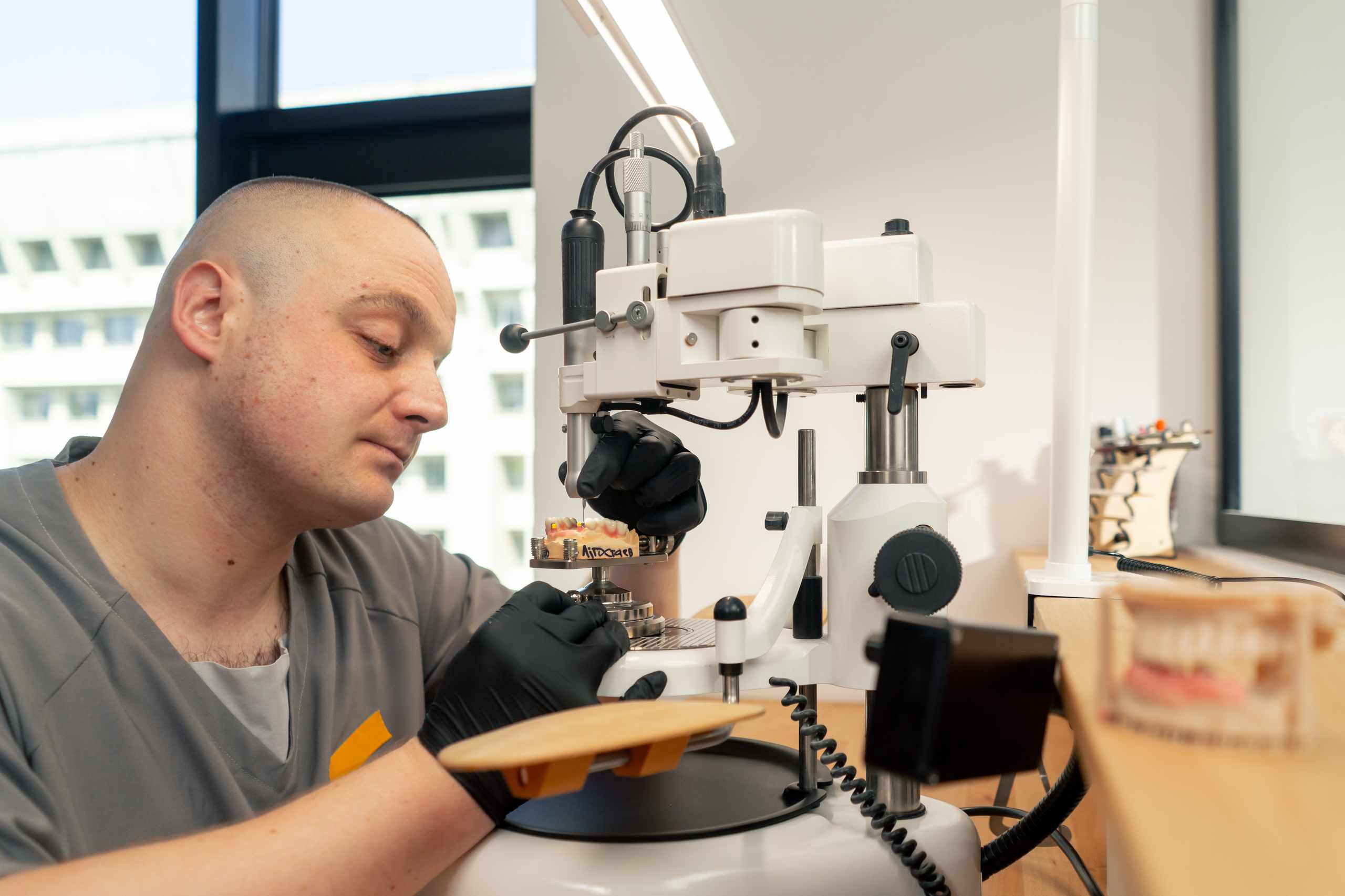
Read practical explanations of focal length, real and virtual images, optical alignment, magnification, field of view, and lens care.
Prepare the Right Starting Setup
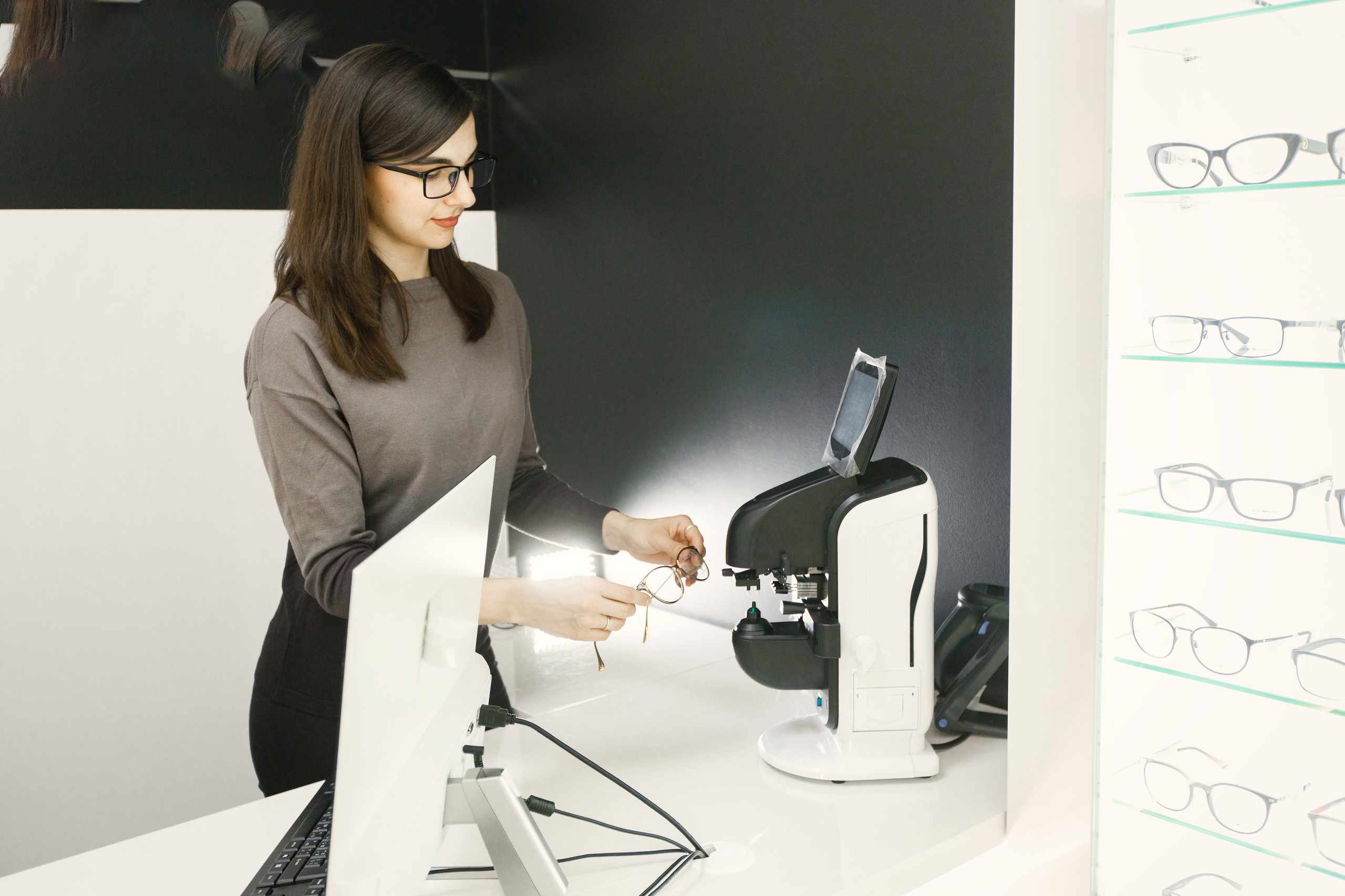
Clarify whether your first exercises need a lens kit, white card, ruler, microscope, binoculars, or only a simple tabletop arrangement.
Practical Notes From the Blog
Explore focused articles on lenses, mirrors, image formation, instrument use, optical alignment, and safe observation.
Why an Image Disappears When the Lens, Object, and Screen Are Misaligned
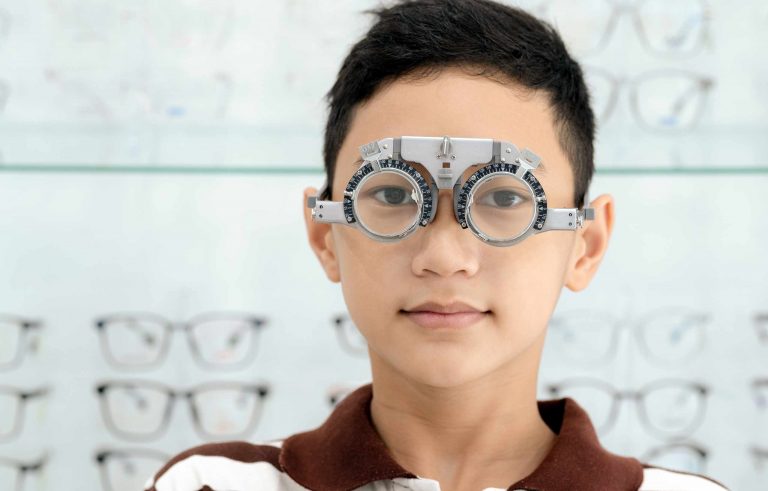
Read MoreWhy an Image Disappears When the Lens, Object, and Screen Are Misaligned